
Energy consulting · Case study
Energy & CO₂ targets for energy-intensive companies.
Anytherm advises energy-intensive companies worldwide on energy efficiency, heat recovery and CO₂ reduction.
This Swiss case study shows how we support an energy group of 20+ companies, from the initial analysis through a typical ten-year target-agreement period.

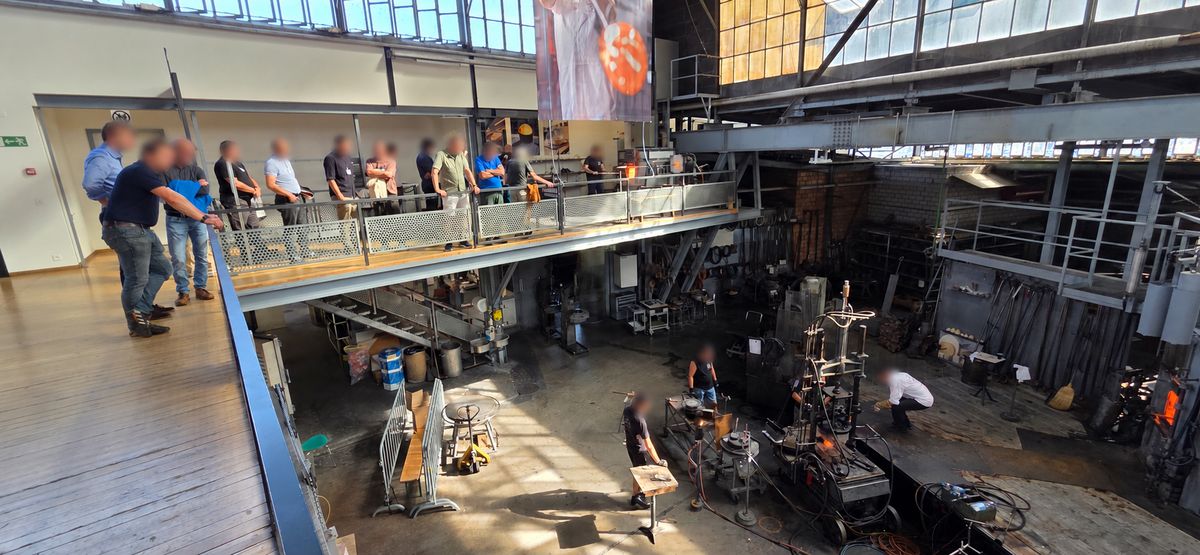
Faces have been blurred for confidentiality.
20+ Companies in the featured energy group
10 years Support through a typical target-agreement period
Energy & CO₂ Targets, measures & roadmaps
A practical example from Switzerland
20+ companies.
A continuing collaboration.
Energy-intensive businesses need advice that fits their operating reality. Production requirements, investment cycles and the people responsible for day-to-day operations all matter.
In Switzerland, our energy group work brings together more than 20 companies. These include industrial businesses with very high energy demand – some using more than 100,000 MWh per year, with consumption reaching around 500,000 MWh annually. We support them over the long term with target agreements, annual reviews and the next steps in their energy and CO₂ plans.
An illustrative cost example: At an assumed energy cost of CHF 100 per MWh, 500,000 MWh corresponds to annual energy expenditure of around CHF 50 million.
The example is Swiss. The questions are shared by companies worldwide: where energy is needed, which improvements are feasible and how progress can be sustained.
Targets & monitoring
Keep energy data, measures and objectives connected.
- Support with target agreements
- Annual monitoring and data checks
- Review of measures and progress
Measures & roadmaps
Make the next investment easier to assess.
- Energy efficiency opportunities
- Technical and economic evaluation
- Decarbonisation and net zero planning
Support & exchange
Keep the conversation going beyond the report.
- Funding assessment and application support
- Follow-up on implementation
- Group meetings and site visits
This example follows the Swiss target-agreement framework. The scope of our support is agreed with each company according to its objectives, operating conditions and local requirements.
An ongoing working relationship
From the first analysis
to year 10.
Anytherm accompanies companies throughout the ten-year agreement: with annual monitoring, personal reviews and support for the next practical measures.
Illustration only. Both curves are hypothetical, not customer results or a savings promise. Higher energy efficiency does not necessarily mean lower absolute consumption when production grows.
How the target path works
A Swiss target agreement normally runs for 10 years. In the efficiency model used by energy-intensive companies, economically viable measures inform the company-specific target.
The dashed line shows the annual targets. The blue line shows the planned effect of measures: improvements arrive in stages as projects are implemented, rather than at a constant rate.
Every year, Anytherm checks actual progress against the target path. We review energy data, the effect of implemented measures and changes in production, then discuss delays, deviations and the next priorities with your team.
Energy efficiency is shown here; greenhouse-gas objectives are assessed alongside it where applicable. Method: EnAW target-agreement approach and SFOE guideline (2026, German PDF).
What does 120% energy efficiency mean?
The indicator compares the weighted energy consumption plus the effect of active saving measures with the weighted energy consumption in the monitoring year. At 120%, the calculated savings equal 20% of that year’s weighted consumption. This is different from a 20% reduction compared with the baseline year.
Our Energy Analysis establishes where energy is used and which improvements are technically and economically feasible. Net Zero Roadmaps connect these measures with a longer-term decarbonisation plan, including investment priorities and the transition of the energy supply.
01 · Understand — Review energy data
A shared view of the baseline.
Review consumption, production context and the status of existing measures together. Clarify changes in the data before drawing conclusions about performance or priorities.
02 · Prioritise — Identify useful measures
A shortlist that fits the business.
Discuss opportunities with the operating team. Assess technical feasibility, interactions and economic considerations so that the next steps fit production needs and investment plans.
03 · Support — Prepare the next steps
From an idea to a workable next step.
Support target agreements, roadmap development or investment preparation as needed. Assess relevant funding options and help prepare applications where appropriate.
04 · Follow up — Track & exchange
Keep the plan connected to reality.
Review implementation and energy developments each year, update the measure portfolio and discuss emerging questions. At the end of the ten-year period, review the overall progress and prepare the next planning cycle together. Group meetings and site visits create opportunities to exchange experience throughout.
Learning from operating reality
Energy advice starts with understanding the process.
Group meetings and site visits bring the people responsible for energy together. They offer room to compare experiences, discuss practical obstacles and learn from other operating environments.
For us, that exchange is an important part of long-term consulting: understanding what works, what has changed and where support is needed next.
Why Anytherm
Technical understanding.
Personal continuity.
We combine energy consulting with experience in heat transfer and heat recovery. That helps us connect energy targets with the technical questions behind an investment.
Advice grounded in engineering
Energy flows, process requirements and economic feasibility are considered together.
A continuing point of contact
Recurring reviews and direct dialogue keep the company’s context in view as priorities evolve.
Independent judgement
As a family-owned, owner-managed company, we focus on a transparent assessment of the options.
Let’s talk about your company
What is your next
energy challenge?
Whether you need ongoing support or help with a specific question, we can start with a short conversation.
Your energy consulting team
Tell us what you want to achieve. We will connect you with the right specialist for your objectives and your process.
Start with the information you have
These questions are optional. Your answers will be added to the message below; you can review and edit it before sending.
Send us your request